Protect your business, livelihood, and legacy with an experienced influence lawyer in Los Angeles, California.
The Law Offices of Parag L. Amin represents influencers, YouTubers, podcasters, streamers, and digital entrepreneurs across Los Angeles and California in contract review and disputes, defamation matters, and intellectual property protection. If your brand needs protecting our Los Angeles influence and content creator lawyers are ready to assist.
Whether a brand deal needs review before signing, a false statement online is damaging a creator’s income, or someone is using original content without permission, creator-focused legal counsel may help prevent a costly mistake from turning into a long-term business problem.
Our approach reflects how the creator economy actually works: fast-moving deals, platform-dependent revenue, and brand value tied directly to personal identity. If you are ready to protect your hard work and intellectual property, schedule a confidential consultation to learn how we can assist.
Why Los Angeles Influencers and Content Creators Choose The Law Offices Of Parag L. Amin
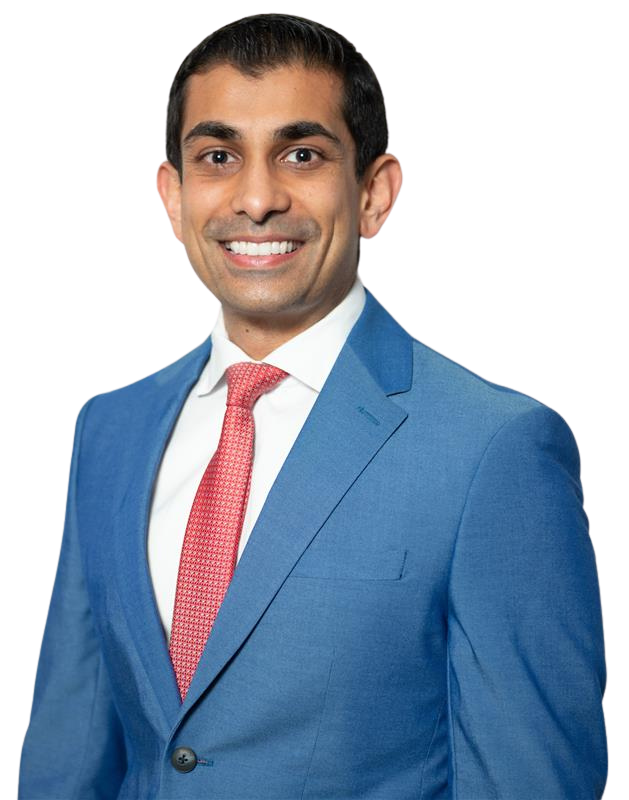
LawPLA represents influencers, YouTubers, podcasters, and digital entrepreneurs who need legal counsel that moves at the speed of the creator economy. Our approach reflects how creator businesses actually operate:
- Business litigation foundation: Our core practice is business litigation and contract disputes, which means creator agreements, licensing conflicts, and IP enforcement are handled with the same strategic depth we bring to high-stakes commercial cases
- Creator-specific deal knowledge: We review and negotiate brand deals, sponsorship agreements, management contracts, and licensing arrangements across platforms, not as a sideline but as a natural extension of our business-protection work
- Reputation and IP protection: From defamation claims and right of publicity issues to copyright and trademark enforcement, we help creators protect the assets that generate their revenue
- Strategic, not reactive: Our AgileAffect methodology emphasizes speed, collaboration, and tailored strategy, which matters when a brand deal needs review before tomorrow’s deadline or a reputation issue is escalating in real time.
- Los Angeles business perspective: We understand the commercial landscape that Los Angeles creators operate in, where brands, agencies, networks, and production companies all intersect, and where the legal terms in a single agreement may affect a creator's income and independence for years
Call (213) 293-7881 for a confidential consultation with a Los Angeles influencer and content creator lawyer.
Contract Review for Influencers, YouTubers, Podcasters, and Content Creators
A brand deal, sponsorship agreement, or management contract may look straightforward on the surface. The risk is usually in the details: exclusivity windows that block competing partnerships, content licenses that extend far beyond the campaign, payment structures tied to deliverables with no clear timeline, and termination clauses that favor the brand or agency.
What Should Be in an Influencer, Sponsorship, or Creator Contract?
Every creator agreement is different, but certain provisions appear in nearly every deal and deserve close attention:
- Scope of work and deliverables, including the number of posts, platforms, formats, and approval processes
- Compensation terms, including payment amounts, timelines, bonuses tied to performance metrics, and late payment provisions
- Content ownership and licensing, specifying who owns the finished content, how long the brand may use it, and whether the license is exclusive
- Exclusivity restrictions, defining whether the creator is prohibited from working with competing brands during or after the campaign
- Termination and cancellation provisions, outlining what happens if either party ends the relationship early and whether kill fees apply
Do YouTubers, Podcasters, and Influencers Need Different Contracts?
The platform shapes the deal. A YouTube collaboration agreement may involve revenue-sharing provisions tied to ad placements, while a podcast sponsorship may focus on host-read ad integrations, episode counts, and distribution rights. Licensing terms for video content differ from audio content in ways that affect how long a brand may repurpose the work.
A Los Angeles content creator lawyer familiar with YouTube, podcast, sponsorship, and licensing agreements may help identify provisions that a general business attorney might overlook.
Brand Deals, Sponsorships, Licensing, and Management Agreements for Creators

As a creator's platform grows, the agreements become more complex. Management contracts, talent agency agreements, network deals, and multi-platform licensing arrangements each carry distinct legal considerations. Provisions that deserve close attention include:
- Commission structures in management agreements, including whether the manager earns commissions after the contract ends, and how much deal-making authority they hold
- Exclusivity and term length, which may limit a creator's ability to switch representation or pursue competing opportunities
- Licensing vs. assignment of content rights, which determines whether a creator retains ownership of their work or transfers it permanently to a brand or partner
- Trademark and brand name control, particularly for creators whose name, logo, or catchphrase functions as a business identity that may qualify for federal registration through the U.S. Patent and Trademark Office
Signing any of these agreements without legal review may create long-term restrictions on a creator’s income, content rights, and brand independence.
Defamation and Reputation Protection for Influencers and Content Creators
A creator's reputation is inseparable from their revenue. A false statement that damages a creator's standing with audiences, brands, or platform partners may directly affect sponsorship deals, ad revenue, and audience trust.
Under California law, defamation requires proof that:
- A false statement of fact was published to a third party
- The statement was unprivileged
- It caused harm to the plaintiff's reputation
California distinguishes between libel, which covers written or published statements, and slander, which covers spoken ones. Because social media posts, comments, and reviews are permanent in nature, online defamation cases in California are typically treated as libel.
For creators who may qualify as public figures or limited-purpose public figures, the standard is higher: they must prove the defendant acted with actual malice, meaning the defendant knew the statement was false or acted with reckless disregard for its truth. Many influencers with large followings may fall into the limited-purpose public figure category, which makes early legal analysis of a defamation claim especially important.
California also has strong Anti-SLAPP protections that allow defendants to seek early dismissal of defamation claims they argue are based on protected speech. A Los Angeles influencer defamation lawyer may help evaluate whether a claim is strong enough to justify filing and withstand an Anti-SLAPP motion under California law.
Copyright, Trademark, and Intellectual Property Protection for Creators

For influencers and content creators, intellectual property is the business. Original videos, podcast episodes, photographs, graphics, music, logos, and brand names all carry potential legal protection, but only if the creator takes steps to secure it.
How Creators Protect Copyright, Trademark, and Likeness Rights
Copyright protection exists from the moment original content is created and fixed in a tangible form. However, registering a copyright with the U.S. Copyright Office provides important legal advantages, and timely registration may allow a creator to seek statutory damages and attorneys’ fees in an infringement action.
Trademark protection covers a creator's brand name, logo, catchphrase, or channel name when used in connection with goods or services. Filing a federal trademark application through the U.S. Patent and Trademark Office may help secure nationwide priority if the mark registers, and it creates a public record that may deter infringement.
For creators, proof of use may include screenshots of a YouTube channel banner, Instagram storefront, or branded packaging.
California's right of publicity statute protects a person's name, voice, signature, photograph, and likeness from unauthorized commercial use. For influencers and content creators whose personal identity is the brand, right of publicity protections add another layer of defense against unauthorized endorsements, deepfakes, and misuse of their image.
What Happens If Someone Copies a Creator's Content?
Copyright infringement occurs when someone reproduces, distributes, or publicly displays a creator's original work without authorization. For creators, this often takes the form of re-uploaded videos, stolen podcast audio, copied graphics, or scraped written content.
A Los Angeles content creator IP lawyer may help file a DMCA takedown notice, pursue a copyright infringement claim, or negotiate a licensing resolution that compensates the creator for unauthorized use.
Why Los Angeles Influencers and Content Creators Need Legal Counsel Early
The creator economy rewards speed. Deals close in days, content goes live in hours, and partnerships form over a single DM exchange. That pace creates risk when legal terms are agreed to without review, content rights are signed away without understanding the scope, or a reputation issue escalates before anyone evaluates the legal options.
A Los Angeles influencer and content creator lawyer who understands platform dynamics, sponsorship structures, and digital brand risks may help creators make faster, better-informed decisions about the agreements and disputes that shape their careers.
FAQ About California Influencer and Content Creator Law
When Should a Content Creator Hire a Lawyer?
Before signing a contract that involves content rights, exclusivity, or significant revenue. Before responding to a defamation issue publicly. And before someone else files a trademark application for a brand name the creator has been using for years. In each of these scenarios, early legal review is less expensive and more effective than addressing the problem after it has compounded.
Who Owns Influencer Content in a Brand Partnership?
It depends entirely on the contract. Some agreements grant the brand a limited license to use the content for a defined period. Others assign full ownership to the brand permanently. Without clear language in the agreement, disputes over content ownership may arise long after the campaign ends.
Can a Brand Reuse Creator Content After the Campaign Ends?
Only if the agreement permits it. A well-drafted contract specifies the duration of the content license, the platforms where the content may appear, and whether the brand may modify or sublicense the work. Creators who sign agreements without these provisions may lose control over how and where their content appears.
Do Influencers Need a Contract for Brand Deals?
Influencers should use written contracts for sponsorships, collaborations, and licensing arrangements. A clear influencer contract can define payment terms, content ownership, exclusivity restrictions, and how long a brand may use the creator’s content after the campaign ends. Without a written agreement, disputes over compensation, deliverables, and content rights may arise.
What Legal Issues Do Social Media Influencers Face?
Social media influencers commonly face legal issues related to contracts, intellectual property, defamation, and brand partnerships. Disputes may arise when brands reuse content beyond the agreed license, when management agreements contain restrictive commission terms, or when false online statements damage a creator’s reputation. Legal guidance may help influencers protect both their content and their business relationships.
Do Influencers Have to Follow FTC Disclosure Rules?
Yes. Influencers who promote products or services in exchange for payment, free products, or other benefits generally must comply with Federal Trade Commission endorsement guidelines. These rules require clear and conspicuous disclosure when content is sponsored or part of a paid partnership. Failure to disclose sponsored relationships properly may create legal and regulatory risks for both the influencer and the brand.
The Platform Took Years to Build — An Influencer and Content Creator Lawyer in LA Helps Make Sure It Stays Yours

A brand deal, a false accusation, or an unauthorized use of a creator's content may each carry consequences that outlast a single news cycle. The legal decisions made around these issues affect revenue, reputation, and long-term creative control.
At LawPLA, we represent Los Angeles influencers, content creators, YouTubers, podcasters, and digital entrepreneurs in contract review and negotiation, defamation disputes, and intellectual property protection. If a deal is on the table, a dispute is escalating, or a brand name needs protecting, a confidential consultation may help clarify the right next step.
Call (213) 293-7881 to connect with our Los Angeles influencer and content creator lawyers.